
Pregnancy Osteopathy
Your body does something extraordinary during pregnancy. It grows, shifts, and adapts in ways that are genuinely remarkable, but also, let's be honest, often pretty uncomfortable.
Back pain, pelvic aching, sciatic twinges, ribs that feel like they're being slowly rearranged: these are things a lot of pregnant people just put up with, assuming it's all part of the deal. It doesn't have to be.
Pregnancy osteopathy uses gentle, hands-on techniques to help your body cope with the changes it's going through. We look at how your spine, pelvis, joints, and muscles are all moving and connecting, and use soft, careful adjustments to ease tension and improve the way your body is holding itself. It's adapted specifically for pregnancy at every stage, so you're in safe, experienced hands.
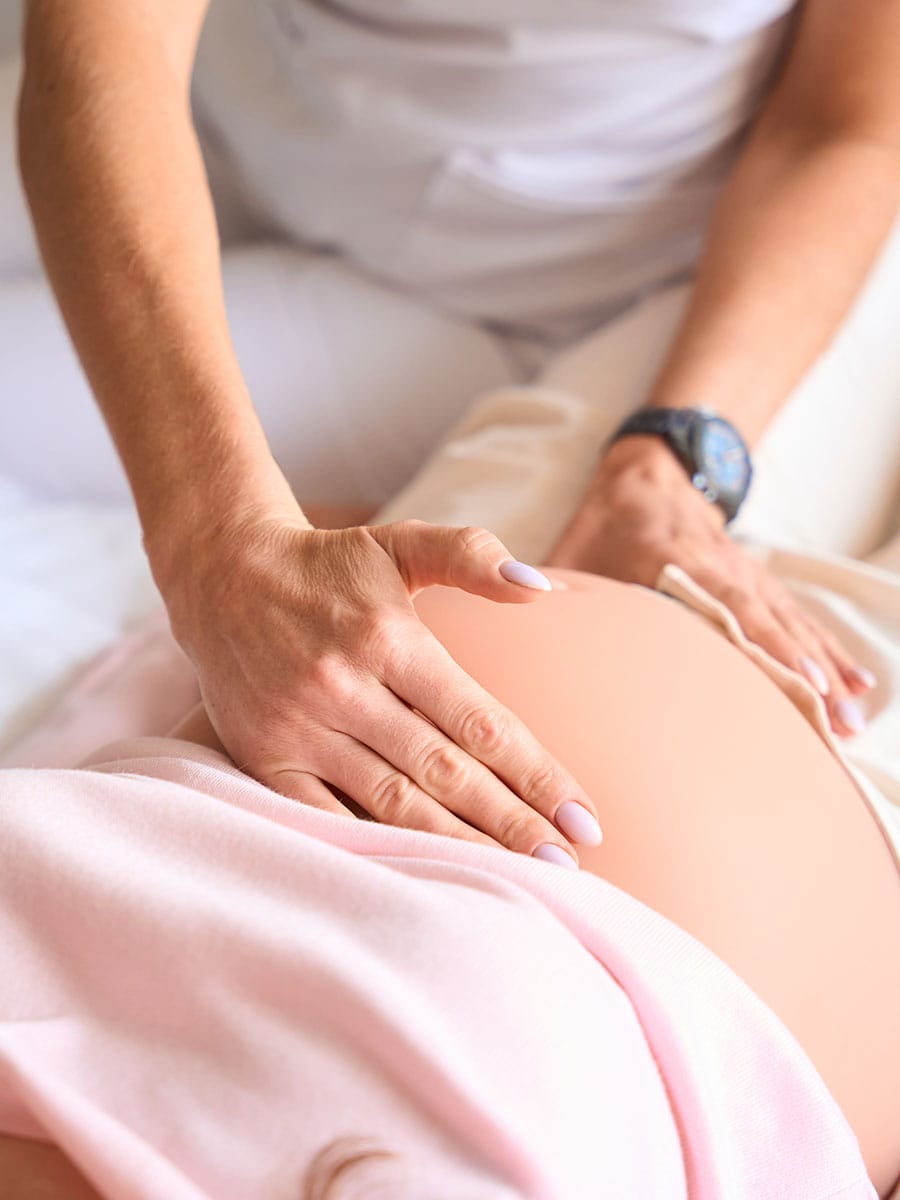


What Can Pregnancy Osteopathy Help With?
Pregnancy puts enormous demands on your body, and the discomfort that comes with it can show up in all sorts of places. Here's some of what we commonly see and help with:
-
Lower back pain: one of the most frequent pregnancy complaints, often linked to postural changes and the shifting centre of gravity as your bump grows.
-
Pelvic girdle pain: aching, clicking, or sharp pain around the pelvis and hips; osteopathy can help settle the joints and ease the load.
-
Sciatica: nerve pain running down the leg, which can flare during pregnancy as the pelvis and lower back adapt.
-
Rib discomfort: as your ribcage expands to accommodate your growing baby, tension in the thoracic spine and ribs can build up.
-
Ligament stretching pain: as your abdomen grows, the ligaments supporting it have to stretch too, which can cause pain in the lower tummy and pelvis.
-
Hip and groin pain: common as the pelvis widens and your gait and weight distribution change.
-
Neck and shoulder tension: often worsened by postural changes, tiredness, and (later on) the physical demands of preparing for a new arrival.
-
General muscle aches and fatigue: when your whole body feels the strain, treatment can help you feel a little more like yourself again.
Meet Our Therapists
Our pregnancy osteopaths are fully qualified and registered with the General Osteopathic Council (GOsC), which regulates the profession across the UK. Qualifying as an osteopath takes four to five years of degree-level training, covering anatomy, physiology, and extensive clinical practice. Our practitioners are specifically trained and experienced in working with pregnant patients and take a gentle, careful approach throughout, adapting techniques to suit your stage of pregnancy and how you're feeling on the day.
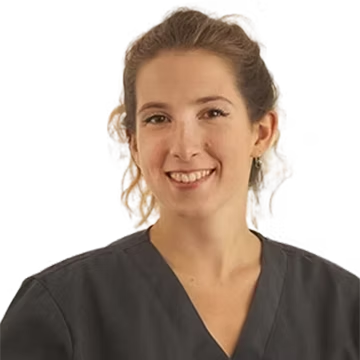
Marta Vacca
Specialist Osteopath
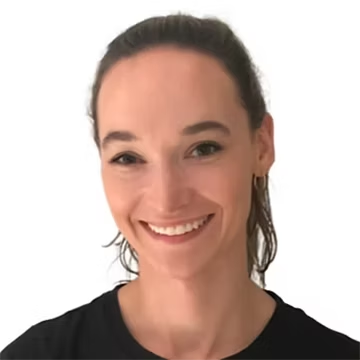
Mollie Tappenden
Associate Osteopath
Ready to book your appointment?
We offer a range of treatments to help you feel your best. Book online,
call us or visit our centre to schedule your appointment.
What to Expect at Your First Appointment
Coming to see us for the first time? Here's what to expect:
- Wear something comfortable; loose clothing or activewear is ideal, as your osteopath will need to observe how you're moving and may work on your back, hips, and legs.
- We'll start with a conversation. Your osteopath will ask about your pregnancy, any symptoms you've been experiencing, your general health, and what's been bothering you most.
- From there, they'll come to a diagnosis; looking at how your body is moving and identifying where the tension or restriction is coming from.
- Treatment itself is gentle and carefully adapted for pregnancy, your osteopath will make sure you're comfortable throughout. Techniques might include soft tissue work, gentle joint mobilisation, or very light cranial approaches depending on what's needed.
- After your appointment, you might feel some mild tenderness or tiredness; this is normal and usually passes within a day or so. Many people notice an improvement in symptoms quite quickly.
Pricing
Osteopathy First
Consultation
£90
Osteopathy Follow up
Treatment
£75
Your Questions Answered
Is osteopathy safe during pregnancy?
Yes. Pregnancy osteopathy is specifically adapted to be safe at every stage of pregnancy. Our practitioners are specifically trained and experienced in working with pregnant patients and use gentle techniques that are quite different from standard osteopathic treatment. If you have any concerns or a complicated pregnancy, we'd always encourage you to mention this when you book, and your osteopath will liaise with your midwife or GP if needed.
Can I come in any trimester?
We see patients throughout pregnancy, including in the first trimester, though many people find they come to us most in the second and third as their body changes more noticeably. If you're ever unsure whether it's the right time, just give us a call and we'll talk it through with you.
How many sessions will I need?
It really depends on what you're dealing with. Some people feel a significant difference after one or two sessions; others find regular appointments throughout pregnancy help them manage ongoing discomfort. Your osteopath will give you a realistic picture at your first appointment, and you're never locked into a course of treatment.
How is this different from regular osteopathy?
The principles are the same, but the approach is adapted throughout. Positions are adjusted to keep you comfortable (no lying flat on your back for extended periods), and techniques are chosen with your pregnancy in mind; generally softer and more focused on releasing tension than on correcting structural issues. Your osteopath will work around your bump, not in spite of it.

Should I wait until it gets worse?
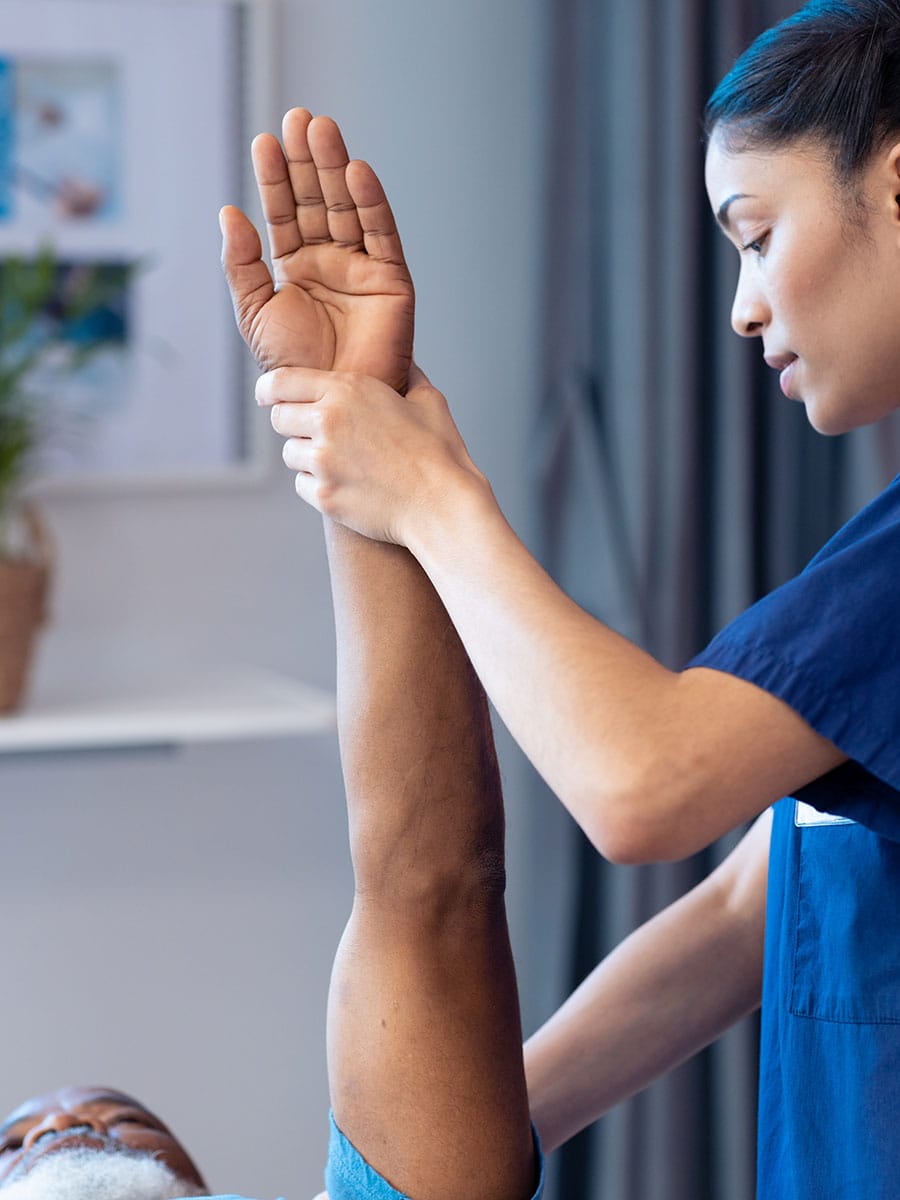
We hear this all the time: "It's not that bad yet, I'll see how it goes." The truth? Muscle and joint pain doesn't usually resolve the way a cut or bruise does. The longer compensation patterns continue, the harder they can be to correct. Early treatment often means: fewer sessions overall, faster recovery, lower risk of chronic issues, better long-term mobility. Prevention is always easier than cure.
Why Choose Brixton Therapy Centre?
- 7-day appointments
- Early morning and evening availability
- Emergency appointments when possible
- Phone support 7am-9pm
- Personalised exercise plans
- Confidential, detailed reports if needed
- Online booking, fast and secure
- Caring for the Brixton community since 1999
- Concessions for those on low income (call to ask)
- Concessions for NHS staff (call to ask)
Still Not Sure?
If you're in pain and wondering whether we can help, that's exactly why we're here. You don't need to know what the problem is. You don't need a referral. You just need to take the first step. Book online today or call 020 7733 9944 to speak to us.
Cranial
Osteopathy
A very gentle form of osteopathy that works with the body's own rhythms; suited to all ages
Paediatric
Osteopathy
Specialist osteopathic care for babies, children, and teenagers
Pregnancy
Osteopathy
Hands-on osteopathic support through pregnancy, helping to ease pelvic pain, lower back ache, and the physical strain
Osteopathy
Sports
Massage
Soft tissue work combined with osteopathic assessment, focused on performance, recovery, and keeping active bodies moving well
Shockwave
Therapy
A non-invasive option for stubborn tendon and soft tissue problems that haven't responded to other treatment
Dry
Needling
A targeted technique used by our osteopaths to release muscle trigger points and ease localised pain and tension