
Conditions We Treat
Do you treat my condition? It's one of the most common questions we hear before a first booking, and it's a completely fair one.
Whatever has brought you here, whether that's a pain that appeared out of nowhere, an old injury that keeps flaring up, or something you've been quietly putting up with for years, we want to help.
Our team of osteopaths, massage therapists, acupuncturists, and physiotherapists treat a wide range of musculoskeletal, neurological, and systemic conditions. If you are looking for something specific, scroll down for a selection of conditions our patients ask about most, or get in touch and we can point you in the right direction.
For women's health conditions specifically, including hormonal health, fertility, pregnancy, and postnatal recovery, visit our dedicated Women's Health page
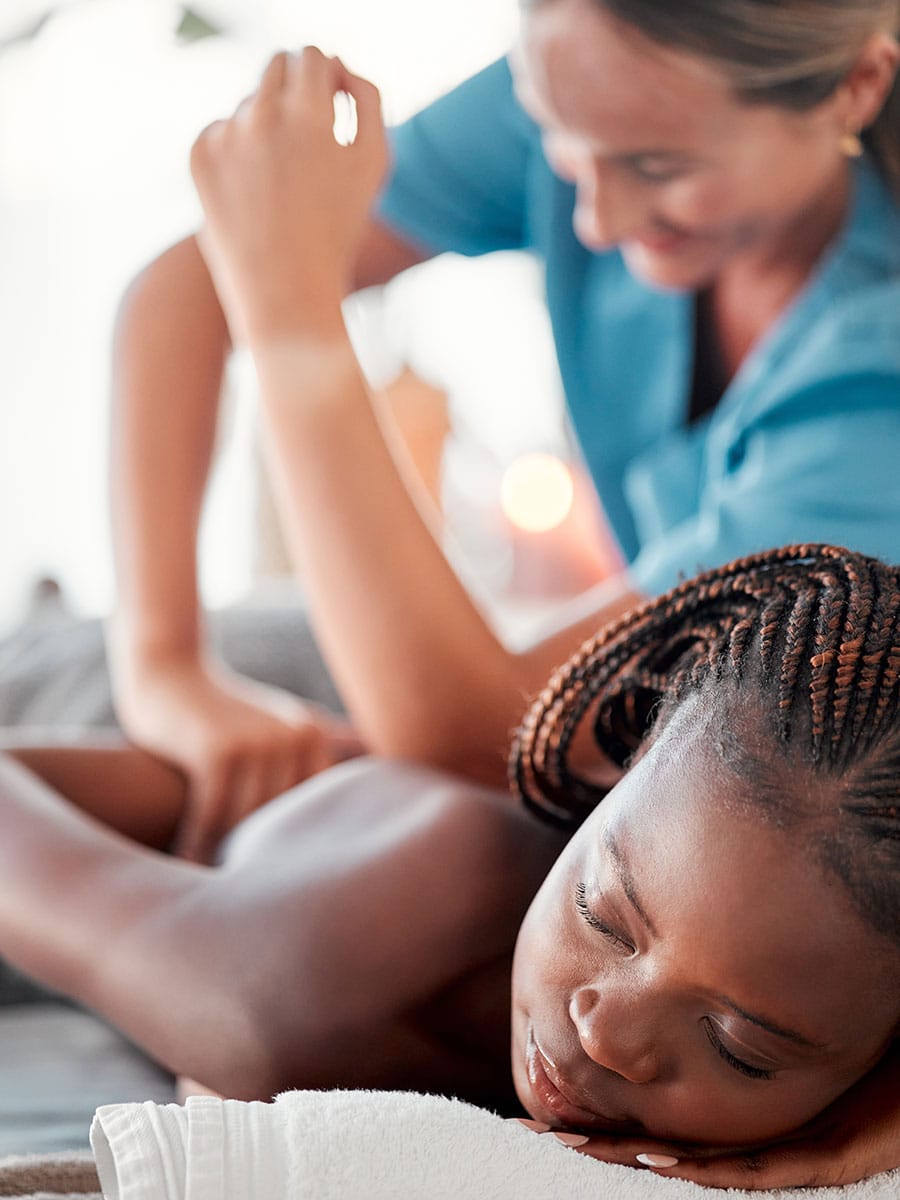

Conditions our patients ask about most
Low Back Pain
Low back pain is one of the most common reasons people come to see us, and it covers a wide range of presentations. It can be a dull ache that builds through the day, a sharp catch when you move in the wrong direction, or something that comes and goes without an obvious pattern. The causes vary too: muscles, joints, discs, and tension from other parts of the body can all be involved, and often more than one thing is contributing at once.
An osteopathic assessment is the right starting point. Your osteopath will build a full picture of what is going on before recommending anything, and your treatment plan will be specific to you.
Neck and Shoulder Pain
Neck and shoulder pain is something we see almost every day, and it comes in many different forms. A stiff neck, persistent tension across the shoulders, restricted movement, or symptoms that seem to travel into the arm or head. The neck, shoulders, and upper back are closely connected, and what feels like a shoulder problem is often partly driven by the neck, and vice versa.
Because the causes vary, an osteopathic assessment is the best place to start. Your osteopath will assess the full picture and recommend an approach that is tailored to what they find.
Conditions our patients ask about most
This is not an exhaustive list, and if your condition is not here, please do get in touch. There is a very good chance we can help.
Simply click on the condition you wish to know more about.
Achilles Tendinopathy
The Achilles tendon connects the calf muscles to the heel bone. When it becomes overloaded, it can cause pain and stiffness at the back of the heel, particularly first thing in the morning or after exercise. It is common in runners and anyone who has recently increased their activity levels, and can range from a mild niggle to something that makes everyday walking difficult.
We would recommend starting with an osteopathic assessment to establish what is driving the problem. For chronic Achilles issues that have been scanned and where a tear has been ruled out, shockwave therapy can be particularly effective alongside a structured rehabilitation programme.
Carpal Tunnel Syndrome
Carpal tunnel syndrome causes pain, tingling, or numbness in the hand and fingers, often worse at night or with sustained hand use. It occurs when the median nerve is compressed as it passes through the wrist, but the same symptoms can also arise from nerve compression higher up in the neck, shoulder, or arm rather than at the wrist itself.
Because the causes can vary, a thorough osteopathic assessment is important before deciding on the right approach. An osteopath can identify exactly where the problem is originating and treat accordingly, which makes a significant difference to outcomes.
Disc herniation (slipped or bulging disc)
A herniated disc occurs when the soft inner material of a spinal disc pushes outward and presses on nearby nerves. In the lower back this can cause pain, and sometimes numbness, tingling, or weakness travelling down the leg. In the neck it can refer pain into the arm. Symptoms and severity differ depending on which part of the spine is affected and how much pressure is on the nerve.
An osteopathic assessment is the best starting point, as the right approach depends on the location and extent of the herniation. Osteopathy is effective for managing symptoms and supporting recovery, and dry needling may also be used alongside treatment for pain relief.
Fertility
Acupuncture and traditional Chinese medicine have a long history of use in supporting fertility, and there is a growing body of evidence behind them. Most fertility difficulties are unexplained, and acupuncture can help support hormonal balance, cycle regulation, and overall resilience through what is often a stressful and emotionally demanding process.
We see patients trying to conceive naturally as well as those going through IVF or other assisted conception, and we work alongside your medical team throughout. Where there is a suspected structural cause, one of our osteopaths with visceral training may also be able to help.
Frozen shoulder (adhesive capsulitis)
Frozen shoulder causes progressive pain and stiffness in the shoulder joint, often developing gradually and for no obvious reason. It tends to move through distinct stages, and the level of pain and restriction you experience can vary significantly depending on which stage you are in. Everyday tasks like reaching into a cupboard or putting on a coat can become very difficult.
One of the most important things to know is that early treatment makes a significant difference. If we can see you within the first three months, outcomes are generally very good. If it has been going on longer, it becomes more difficult to treat, though treatment is still very worthwhile. We would recommend seeing an osteopath as soon as possible.
Headaches
Not all headaches come from the head. Many are driven by tension or restriction in the neck and upper back, and these respond very well to osteopathic treatment. Migraines and tension headaches are also very common presentations at the clinic, and if your headaches are frequent, persistent, or getting worse, they are always worth having properly assessed.
An osteopathic assessment of the spine, neck, and jaw is a good starting point for most headache presentations. Acupuncture is also widely used for both tension headaches and migraines, and many patients find a combination of approaches works well.
Heavy or painful periods
Heavy or painful periods are very common but are not something you simply have to put up with. They can significantly affect day-to-day life, and in some cases may point to an underlying condition that is worth investigating with your GP.
Acupuncture is widely used to help regulate the menstrual cycle and reduce both the heaviness and the pain associated with periods. Many patients notice significant improvement over a course of treatment, and it is worth having a conversation with one of our acupuncturists to work out the best approach for you.
Jaw pain and TMJ dysfunction
Pain, clicking, or locking in the jaw joint (the temporomandibular joint, or TMJ) can cause significant discomfort and often comes alongside headaches, earache, or tension in the neck and upper back. It can be brought on by stress, teeth grinding, or problems in the cervical spine, and the underlying cause is not always obvious.
An osteopathic assessment is the right first step. Addressing tension in the neck and upper back is often as important as treating the jaw directly, and TMJ is an area of specialist interest for our senior osteopath Marta.
Osteoarthritis
Osteoarthritis is the gradual wearing of cartilage in joints, most commonly affecting the hips, knees, spine, and hands. It causes pain, stiffness, and reduced range of movement, often worse after periods of inactivity, and becomes more common with age. It is extremely prevalent but is not simply an inevitable part of getting older, and there is a great deal that can be done to manage it well.
Osteopathy, physiotherapy, and massage cannot reverse joint changes, but they can make a very significant difference to symptoms, mobility, and quality of life. An osteopathic assessment is a good starting point for working out which joints are most affected and what approach is likely to help you most.
Pelvic girdle pain (PGP) and symphysis pubis dysfunction (SPD)
Pelvic girdle pain is a common condition during pregnancy, causing aching or sharp pain in the pelvis, hips, and lower back. It is sometimes referred to as symphysis pubis dysfunction or SPD. It can range from mild discomfort to pain that significantly limits everyday activities like walking, climbing stairs, or turning over in bed.
This is a structural problem that responds well to hands-on treatment. We would recommend seeing one of our osteopaths who specialise in pregnancy, who can provide direct treatment as well as practical advice on movement, positions, and daily activities to help manage symptoms between appointments.
Perimenopause and menopause
The hormonal changes of perimenopause and menopause can cause a wide range of symptoms including hot flushes, night sweats, sleep disruption, joint pain, mood changes, and fatigue. These can begin years before periods stop and continue well into the postmenopausal years, and their impact on day-to-day life is often underestimated.
Acupuncture is increasingly recognised as an effective way to manage many of these symptoms, and is a useful option whether you are on HRT or not. Many patients find that a course of treatment produces noticeable improvements in sleep, temperature regulation, and general wellbeing.
Plantar fasciitis
Plantar fasciitis is one of the most common causes of heel pain, caused by irritation of the thick band of connective tissue running along the bottom of the foot. It typically produces a sharp, stabbing pain with the first steps of the day, which may ease as you get moving before returning after prolonged standing or activity. It can become a persistent and frustrating problem if not properly addressed.
An osteopathic assessment will establish the best approach for your particular presentation. Depending on how the condition is presenting, treatment may involve structural osteopathy, shockwave therapy, or a combination of both, alongside rehabilitation advice to prevent recurrence.
Postnatal Recovery
Plantar fasciitis is one of the most common causes of heel pain, caused by irritation of the thick band of connective tissue running along the bottom of the foot. It typically produces a sharp, stabbing pain with the first steps of the day, which may ease as you get moving before returning after prolonged standing or activity. It can become a persistent and frustrating problem if not properly addressed.
An osteopathic assessment will establish the best approach for your particular presentation. Depending on how the condition is presenting, treatment may involve structural osteopathy, shockwave therapy, or a combination of both, alongside rehabilitation advice to prevent recurrence.
Rotator cuff syndrome
The rotator cuff is a group of muscles and tendons that stabilise the shoulder joint and control its movement. When one or more of these tendons becomes injured or overloaded, it causes pain and weakness in the shoulder, particularly when lifting the arm or reaching overhead. It is a common problem in both active people and those doing repetitive overhead tasks at work.
An osteopathic assessment is the right first step. Treatment typically combines hands-on work with guided rehabilitation, and dry needling and sports massage are also effective tools depending on the nature of the injury. Most rotator cuff problems respond well to conservative treatment if addressed early.
Sciatica
Sciatica describes pain that travels along the path of the sciatic nerve, from the lower back or buttock down through the leg, sometimes as far as the foot. As well as pain, it can cause tingling, numbness, or weakness. It is most often caused by compression or irritation of the nerve from a herniated disc, a tight muscle deep in the buttock, or joint changes in the lower spine.
The right treatment depends on the underlying cause, so an osteopathic assessment is always the first step. It is worth knowing that all of our osteopaths who carry out shockwave therapy are fully registered with the General Osteopathic Council and have received additional training in its use, so a recommendation to see an osteopath may well include shockwave as part of your treatment plan.
Sports Injuries
Sprains, strains, and muscle tears are common when playing sport, whether from a sudden change of direction, an awkward landing, or overstretching a tired muscle. The severity ranges from mild fibre damage to a substantial or complete tear, and this affects both how the injury is treated and how long it takes to heal.
We would recommend starting with an osteopathic or physiotherapy assessment to establish exactly what has been affected. Treatment then moves through managing pain and swelling, rebuilding strength and control, and finally a structured return to sport, so that you return to full training and competition with a lower risk of re-injury.
Stress incontinence
Leaking when you cough, sneeze, laugh, or exercise is very common, particularly after childbirth or during the perimenopause and menopause years. It is also one of the most under-reported problems we see, because many people assume it is simply something they have to accept. It is not.
Our osteopaths with specialist pelvic health training can assess and treat the underlying causes, and for postnatal presentations our Mummy MOT is a good place to start. Treatment is hands-on and will usually include exercises and practical advice tailored to your specific situation.
Tennis elbow (lateral epicondylitis)
Tennis elbow causes pain on the outer side of the elbow and forearm, from overuse or repetitive strain of the muscles that extend the wrist and fingers. Despite the name, it is common in anyone who performs repeated gripping or wrist movements, and is particularly prevalent among people who work at computers or do manual work. It can become surprisingly persistent if left untreated.
An osteopathic assessment will identify the best course of action. Depending on how the tendons are presenting and how long the problem has been going on, treatment may include osteopathy, sports massage, dry needling, or shockwave therapy.
Thoracic outlet syndrome
Thoracic outlet syndrome occurs when nerves or blood vessels are compressed in the space between the collarbone and the first rib, causing pain, tingling, numbness, or weakness in the shoulder, arm, or hand. The symptoms can closely resemble those of carpal tunnel syndrome, which means it is sometimes misdiagnosed and treated incorrectly.
Osteopathy is well suited to this condition, as the contributing factors are usually muscular and postural. Treatment addresses the tension and restriction in the neck, shoulder, and rib area that is causing the compression, and most patients see good improvement with a course of hands-on work.
Whiplash
Whiplash is an injury to the soft tissues of the neck caused by a sudden forceful movement, most commonly in a road traffic accident. It can cause pain and stiffness in the neck, headaches, and sometimes pain referring into the shoulders or arms. Symptoms can take a day or two to develop fully after the initial incident, and it is not unusual to feel fine immediately afterwards and then become significantly more uncomfortable over the following days.
Osteopathy is highly effective for whiplash and can significantly speed recovery compared to rest alone. Early treatment is generally better, but it is worth seeking help even if some time has passed since the accident.
You don't need a diagnosis
A lot of people come to us not quite knowing what is wrong. They just know something hurts, or doesn't feel right, or has been getting in the way of the things they want to do. You don't need a diagnosis, a referral, or a letter from your GP. Our practitioners will assess you from the start, working out what is happening before deciding on the best approach for you. Your treatment plan will always be tailored to you specifically.
If you are not sure whether we can help with your particular complaint, please do get in touch before booking. We are always happy to have a quick conversation and give you an honest answer.
How we can help
Different problems respond to different approaches, and we offer a range of them: osteopathy, massage therapy, acupuncture, and physiotherapy. Many of our practitioners work across more than one discipline, which means we can often draw on a combination of techniques. You can explore our full range of treatments here: See all Treatments. If you would like guidance on which approach might suit you best, just ask when you get in touch.
Ready to book your appointment?
We offer a range of treatments to help you feel your best. Book online,
call us or visit our centre to schedule your appointment.