
Paediatric Osteopathy
Are you worried about your baby's feeding or sleep? Perhaps your toddler seems unsettled and you can't quite put your finger on why, or your older child is dealing with growing pains you'd like to get some help with.
Paediatric osteopathy is a gentle, hands-on approach designed specifically for babies, children, and young people. Using very light touch techniques, our osteopaths work with each child's natural development to ease discomfort, release held tension, and support the body to function as it should. Treatment is always adapted to your child's age and stage, and sessions are calm and unhurried by design. If you're also curious about cranial osteopathy, which overlaps closely with paediatric work, we have a dedicated page for that too.



What Can Paediatric Osteopathy Help With?
Paediatric osteopathy can be of help at every stage of childhood, from the newborn period right through to the teenage years. Here are some of the conditions and concerns our team commonly sees.
- Feeding difficulties in babies: tension in the jaw, neck, or skull from birth can affect a baby's ability to latch; gentle treatment may help ease these patterns
- Digestive discomfort: can help release tension that may be contributing to unsettled, windy, or generally upset behaviour
- Sleep disturbances: supporting a tense or uncomfortable child to settle more easily
- Birth-related strain: even a smooth delivery places physical demands on a newborn; gentle osteopathic work may help release any lingering tension
- Growing pains: working with the musculoskeletal system as a child's body grows and changes
- Postural concerns: particularly useful for children and teenagers with habitual postural patterns or asymmetries
- Sports injuries in young people: supporting recovery and helping young athletes stay moving well
- Headaches in children and teenagers: can sometimes be linked to tension in the neck, upper back, and cranial structures
Meet our Therapists
Our paediatric osteopaths are fully registered with the General Osteopathic Council (GOsC), the statutory regulator for all osteopaths in the UK. In addition to their core osteopathic training, they have specialist experience working with infants, children, and young people, and take a particularly gentle, patient-led approach with younger patients. Browse their profiles below to find the right fit for your child.
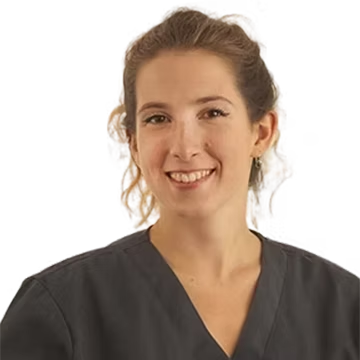
Marta Vacca
Specialist Osteopath
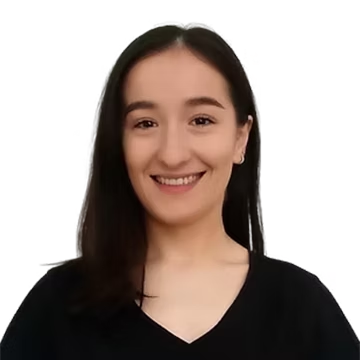
Lilou Convert
Registered Osteopath M.Ost
Ready to book your appointment?
We offer a range of treatments to help you feel your best. Book online,
call us or visit our centre to schedule your appointment.
What to Expect at Your First Appointment
- Wear whatever your child is comfortable in: for babies, a nappy and vest is usually fine; older children can stay in their usual clothes
- The appointment starts with a conversation about your child's health history, their birth, development, and what's brought you in; the more you can tell us the better
- Treatment involves very light, sustained holds rather than clicking or forceful movement; it is often so gentle that babies don't even notice
- Your child can stay in your arms throughout if that helps them feel settled
- After a session, some children seem a little sleepy or briefly more unsettled than usual; this is perfectly normal and tends to pass within a day or so
Pricing
Osteopathy First
Consultation
£90
Osteopathy Follow up
Treatment
£75
Your Questions Answered
Is it safe for newborns?
Yes. Paediatric osteopathy is one of the gentlest forms of hands-on care available, and it can be used safely from the very first days of life. The techniques used with newborns are extremely light and bear no resemblance to the firmer adjustments associated with adult treatment. Many parents bring their babies in within the first few weeks, particularly following a difficult birth or if feeding has been a struggle.
How is paediatric osteopathy different from cranial osteopathy?
There is a lot of overlap between the two. Many of the techniques used with babies and young children are cranial in nature, involving subtle, gentle holds rather than more direct hands-on work. The distinction is mainly one of patient group: paediatric osteopathy is tailored to the specific needs of infants and children, while cranial osteopathy can be used across all ages. If you have any questions, get in touch and we can help.
How many sessions will my child need?
It does vary. Some babies respond well after just one or two sessions; children with longer-standing issues may benefit from a short course. Your osteopath will give you an honest picture after the first appointment and the aim is always to reach a point where your child no longer needs to come in.
My child is quite anxious about new situations. Is that okay?
Absolutely. Our practitioners are experienced at working at a child's pace and there is no pressure to rush. If your child needs time to settle before treatment begins, that is completely fine. Sessions are unhurried, and parents and carers are always welcome to stay close throughout.

Should I wait until it gets worse?
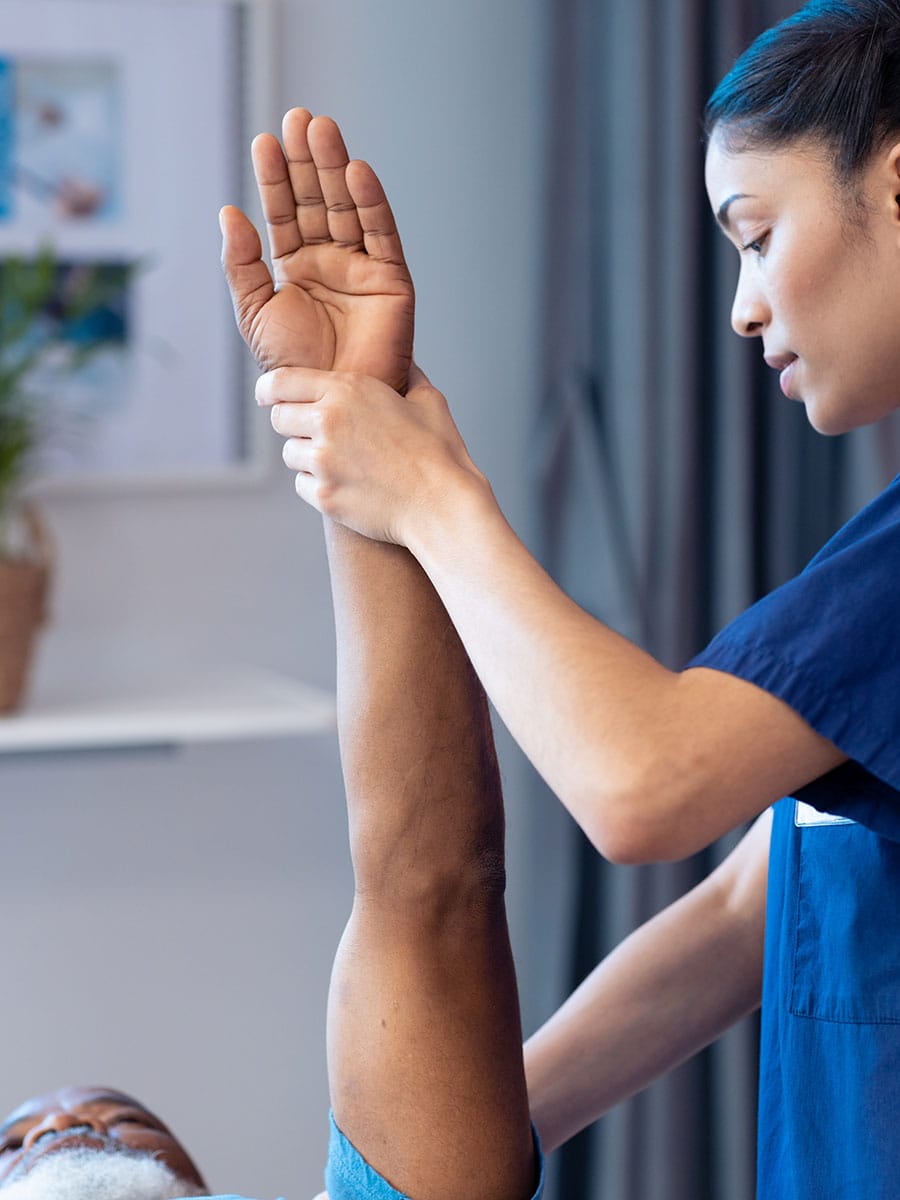
We hear this all the time: "It's not that bad yet, I'll see how it goes." The truth? Muscle and joint pain doesn't usually resolve the way a cut or bruise does. The longer compensation patterns continue, the harder they can be to correct. Early treatment often means: fewer sessions overall, faster recovery, lower risk of chronic issues, better long-term mobility. Prevention is always easier than cure.
Why Choose Brixton Therapy Centre?
- 7-day appointments
- Early morning and evening availability
- Emergency appointments when possible
- Phone support 7am-9pm
- Personalised exercise plans
- Confidential, detailed reports if needed
- Online booking, fast and secure
- Caring for the Brixton community since 1999
- Concessions for those on low income (call to ask)
- Concessions for NHS staff (call to ask)
Still Not Sure?
If you're in pain and wondering whether we can help, that's exactly why we're here. You don't need to know what the problem is. You don't need a referral. You just need to take the first step. Book online today or call 020 7733 9944 to speak to us.
Cranial
Osteopathy
A very gentle form of osteopathy that works with the body's own rhythms; suited to all ages
Paediatric
Osteopathy
Specialist osteopathic care for babies, children, and teenagers
Pregnancy
Osteopathy
Hands-on osteopathic support through pregnancy, helping to ease pelvic pain, lower back ache, and the physical strain
Osteopathy
Sports
Massage
Soft tissue work combined with osteopathic assessment, focused on performance, recovery, and keeping active bodies moving well
Shockwave
Therapy
A non-invasive option for stubborn tendon and soft tissue problems that haven't responded to other treatment
Dry
Needling
A targeted technique used by our osteopaths to release muscle trigger points and ease localised pain and tension