
Cupping Massage
Some treatments you feel working straight away. Cupping is one of them.
That distinctive pull-and-lift sensation, so different from the pressure of a regular massage, is exactly what makes it effective for tension that just won't budge.
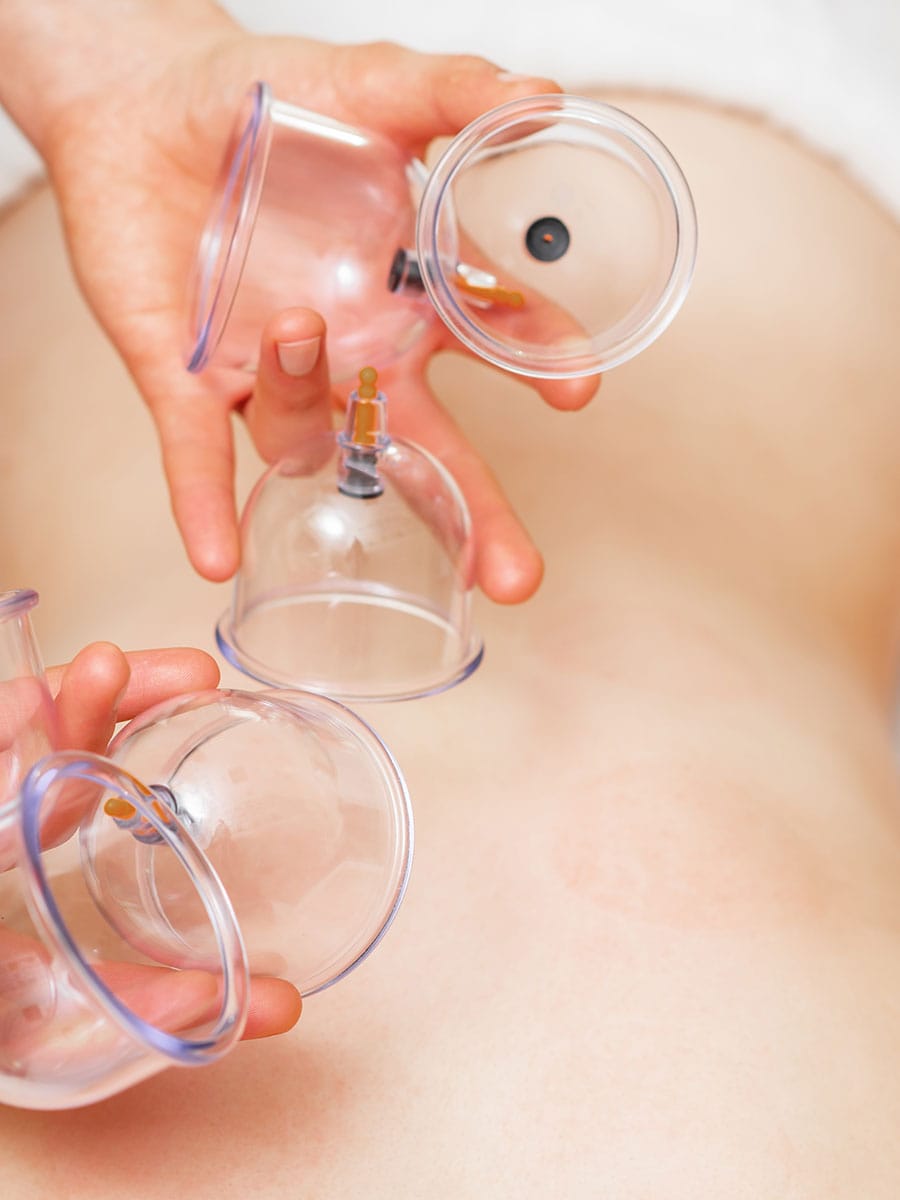
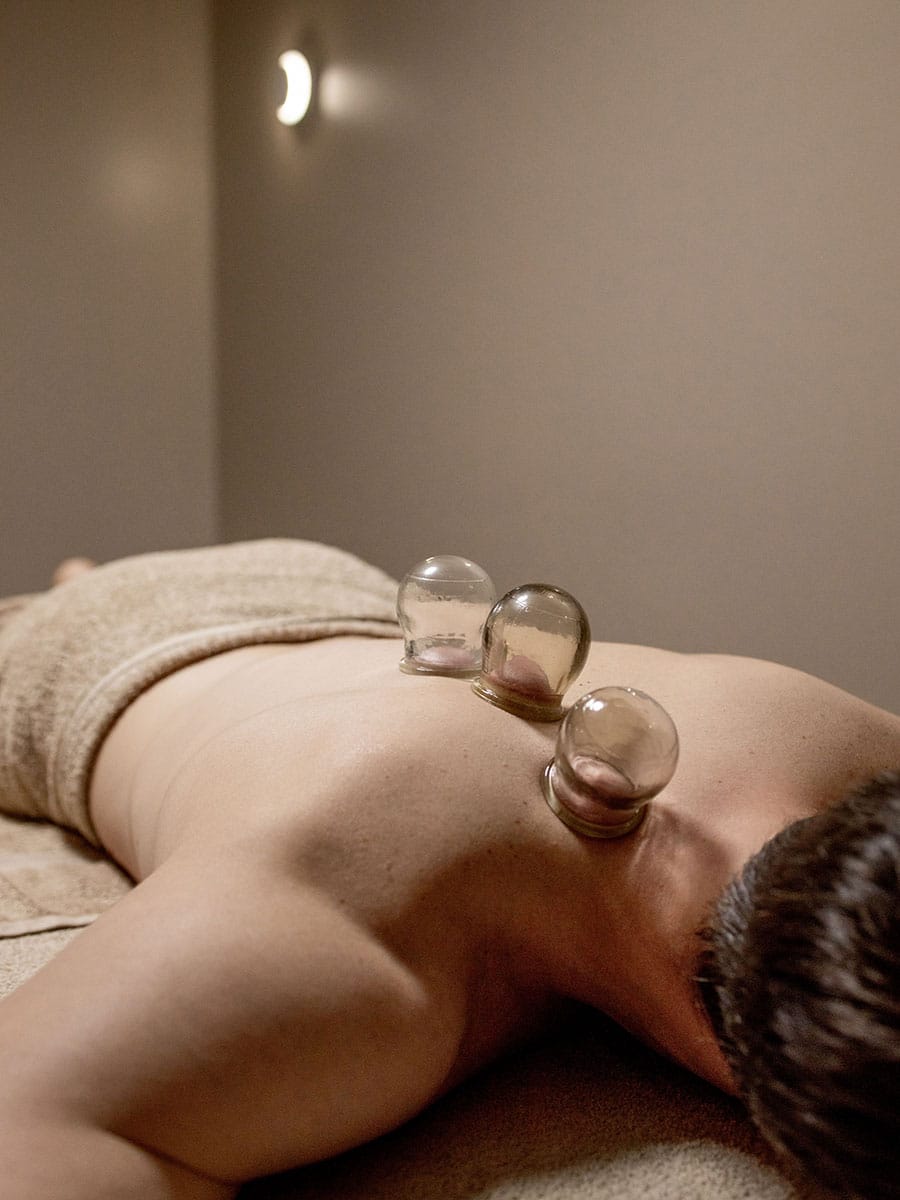
Rather than pressing into the muscle, cupping uses gentle suction to draw the tissue upward. This lifts and separates the layers of muscle and fascia, encourages fresh blood flow, and can release adhesions in a way that direct pressure doesn't always reach. The result is often a deep sense of release, especially in areas of long-standing tightness. It's been used across cultures for thousands of years, and once you've tried it, it's easy to understand why.

What Can Cupping Help With?
Cupping works on a range of muscular and soft tissue concerns, and it pairs well with other massage techniques. Here's a snapshot of what people commonly come to us for:
- Chronic muscle tension: particularly effective on the back, shoulders, and neck, where tightness tends to accumulate over time
- Sports recovery: helps clear the metabolic waste that builds up after intense training and can support faster recovery
- Restricted movement: loosening the fascia and soft tissue can help restore a fuller range of motion
- Back pain: may ease both acute muscular soreness and longer-standing tension in the lower and upper back
- Headaches linked to muscle tension: useful when headaches are driven by tightness in the neck and upper back
- Post-injury recovery: can help break down scar tissue and adhesions that have formed after an injury
- Poor circulation: the suction draws blood flow to areas that may be sluggish or congested
- General physical fatigue: many clients find cupping deeply relaxing, as well as therapeutic
Meet Our Therapists
Our cupping practitioners are qualified in remedial and soft tissue therapy, with cupping as a specialist modality alongside their broader massage practice. We look for therapists who hold membership with a recognised professional body, such as the Institute of Sport and Remedial Massage (ISRM), ensuring they've met robust training standards and commit to ongoing professional development.

Gosia Tiwan
Massage Therapist
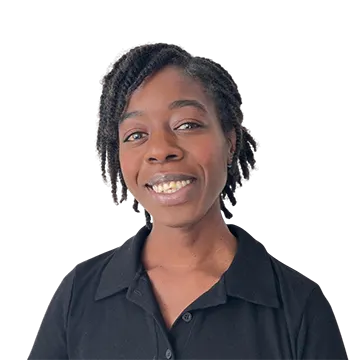
Lisa Yiadom
Associate Osteopath
Ready to book your appointment?
We offer a range of treatments to help you feel your best. Book online,
call us or visit our centre to schedule your appointment.
What to Expect at Your First Appointment
- Wear or bring comfortable, loose clothing. Your therapist will need access to the area being treated, so a vest top or shorts work well depending on where you're being seen.
- The session begins with a short consultation. Your therapist will ask what's brought you in, about any relevant health history, and what you're hoping to get from the treatment.
- Cups are placed on the skin and a gentle suction is created, lifting the tissue rather than pressing into it. The sensation is unusual at first, but most people settle into it quickly and find it surprisingly comfortable.
- You may notice circular marks on your skin afterwards. This is a normal response to the suction and is not the same as bruising. The marks are typically painless to touch and fade within a few days.
- After your appointment you may feel deeply relaxed, and some people feel a little tired. Drinking plenty of water is a good idea.
Massage
Massage 30 Minutes
(All standard types)
£50
Osteopathy Sports Massage
60 Minutes
£125
Massage 60 Minutes
(All standard types)
£90
Lymphatic Drainage Massage
45 Minutes
£99
Massage 90 Minutes
(All standard types)
£125
Indian Head Massage
45 Minutes
£75
FAQs
Will cupping leave marks on my skin?
In many cases, yes. The circular marks are caused by the suction drawing fluid towards the surface of the skin. They're not bruises in the usual sense and aren't painful to the touch. Most people find they fade within two to five days. Your therapist will explain what to expect before starting, so there are no surprises.
Does it hurt?
Cupping feels unusual rather than painful. The suction sensation is quite different from regular massage, and some areas may feel more sensitive than others. If anything feels uncomfortable at any point, just say so and your therapist will adjust. It shouldn't be something you feel you need to grit your teeth through.
How is cupping different from a regular massage?
Most massage techniques work by pressing into the muscle. Cupping does the opposite: it creates suction to lift and separate the layers of tissue, reaching tension and adhesions that downward pressure doesn't always access. Many people come to cupping after finding that certain areas just don't respond to regular massage. It can be used on its own or combined with other techniques in the same session.
Is cupping suitable for everyone?
Cupping is appropriate for most adults, but there are some situations where it wouldn't be recommended, including certain skin conditions and blood disorders. When you book, please mention any health conditions and your therapist will confirm whether cupping is right for you.

Should I wait until it gets worse?
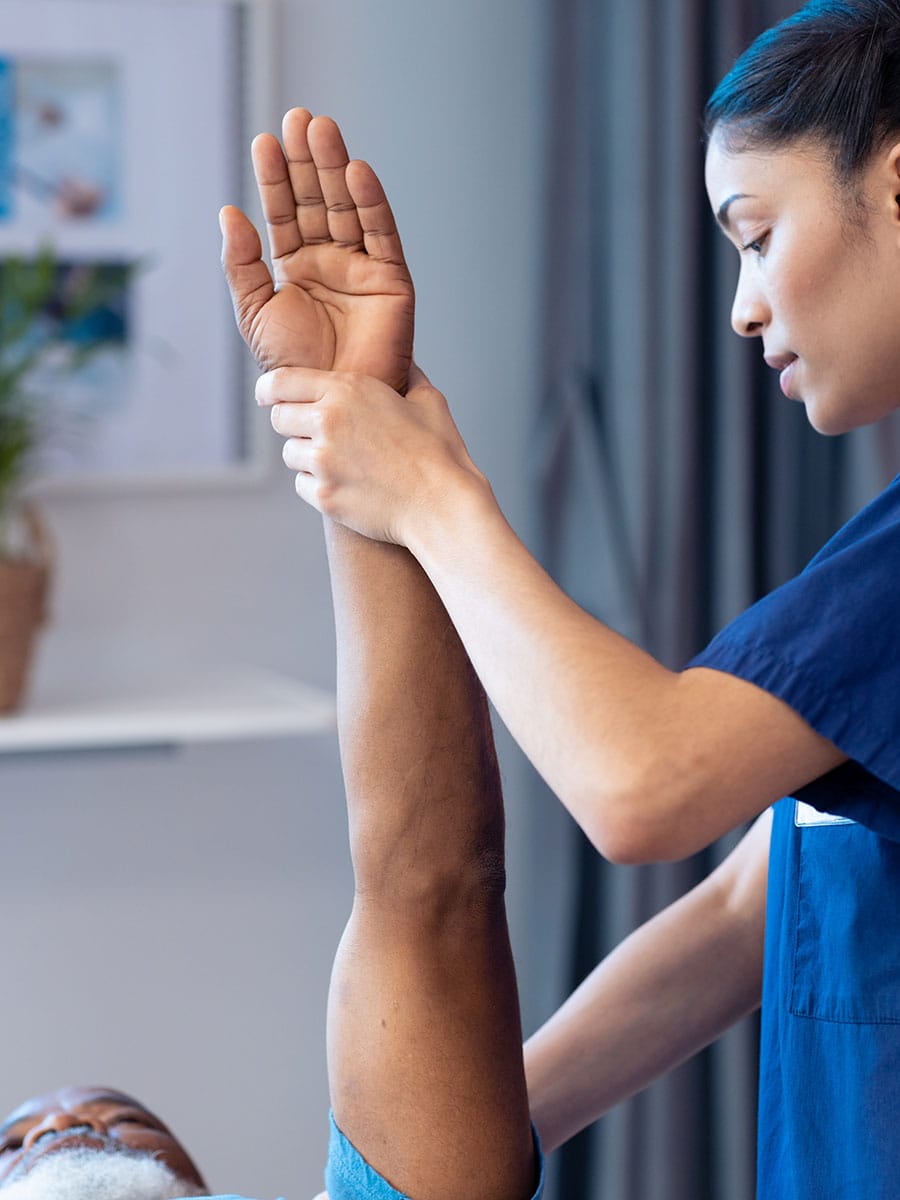
We hear this all the time: "It's not that bad yet, I'll see how it goes." The truth? Muscle and joint pain doesn't usually resolve the way a cut or bruise does. The longer compensation patterns continue, the harder they can be to correct. Early treatment often means: fewer sessions overall, faster recovery, lower risk of chronic issues, better long-term mobility. Prevention is always easier than cure.
Why Choose Brixton Therapy Centre?
- 7-day appointments
- Early morning and evening availability
- Emergency appointments when possible
- Phone support 7am-9pm
- Personalised exercise plans
- Confidential, detailed reports if needed
- Online booking, fast and secure
- Caring for the Brixton community since 1999
- Concessions for those on low income (call to ask)
- Concessions for NHS staff (call to ask)
Still Not Sure?
If you're in pain and wondering whether we can help, that's exactly why we're here. You don't need to know what the problem is. You don't need a referral. You just need to take the first step. Book online today or call 020 7733 9944 to speak to us.
Cupping Massage
Suction-based therapy that lifts the muscle layers rather than pressing into them, particularly effective for chronic tension and sports recovery
Deep Tissue Massage
Firm, targeted work on deeper muscle layers, well suited to chronic tension, postural strain, and persistent aches
Indian Head Massage
A seated treatment working the scalp, neck, and shoulders, popular for tension headaches and stress
Lymphatic Drainage
A very light, rhythmic technique that supports the lymphatic system and may help with fluid retention
Pregnancy Massage
Specifically adapted to support the body's changing needs during pregnancy
Reflexology
Pressure-point work on the feet, hands, or ears that aims to support wellbeing across the whole body
Sports Massage
Focused on athletic performance and recovery, and on keeping active bodies moving well
Swedish Relaxing Massage
A gentler, flowing treatment ideal for stress relief, tension, and general relaxation